
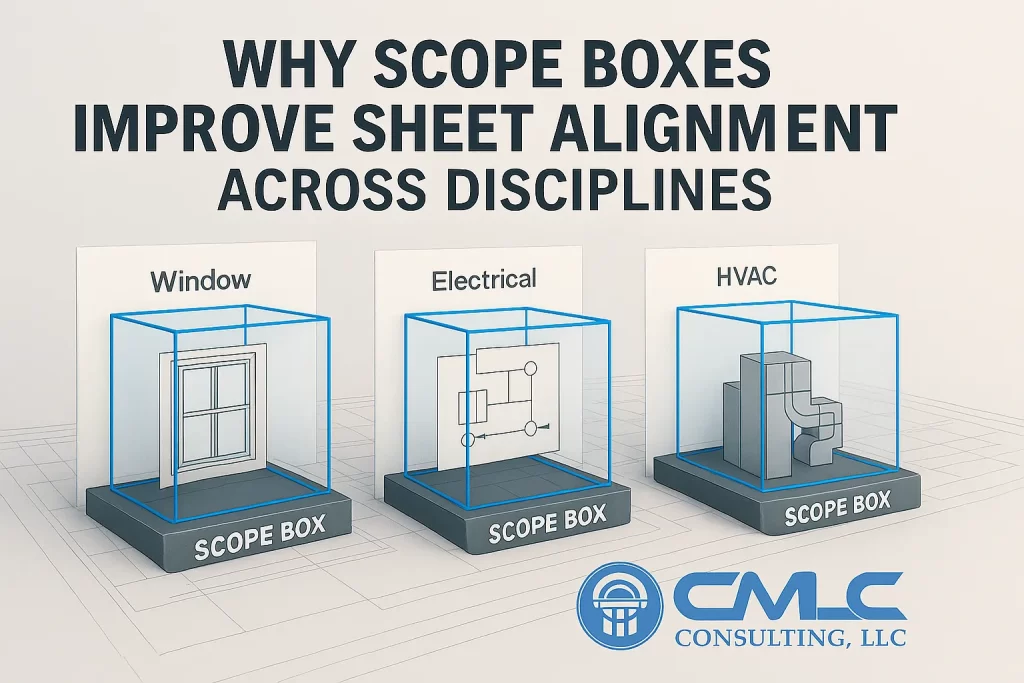
Why Scope Boxes Improve Sheet Alignment Across Disciplines
Nothing derails reviews like misaligned plans: the architect’s plan includes a room the MEP plan crops off; structure rotates a crop region; elevations don’t line up. Scope Boxes end that chaos. Benefits Owners & Contractors Feel A Practical Setup Checklist CMLC policy: All live templates ship with mandatory Scope Box
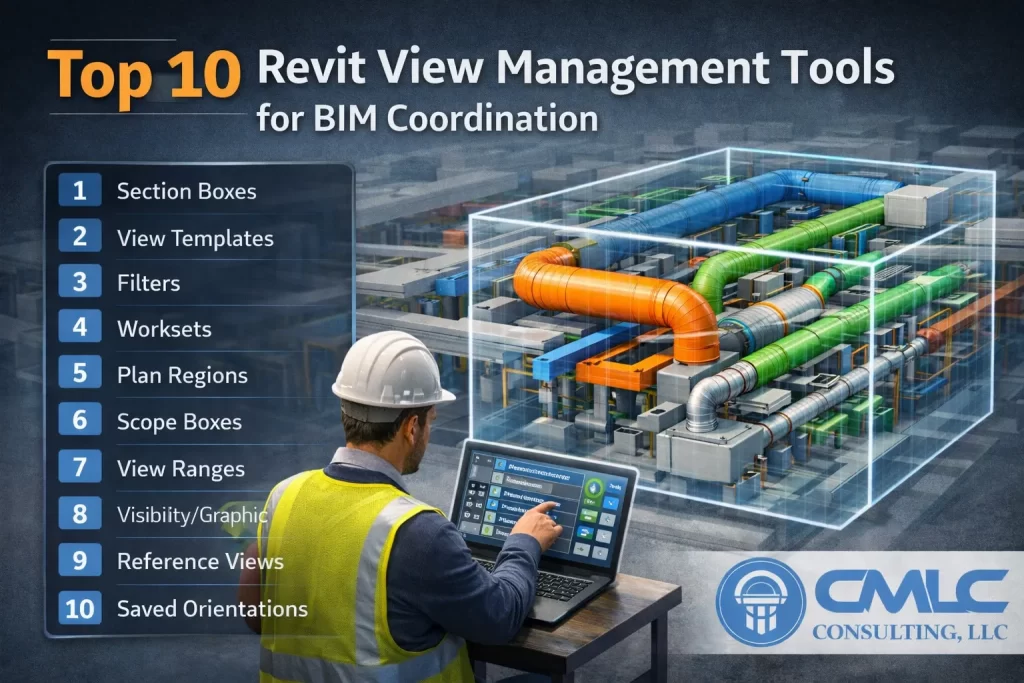
Top 10 Revit View Management Tools for BIM Coordination
Section Boxes and Scope Boxes are part of a bigger view management system that keeps models efficient and sheets dependable. Here are CMLC’s Top 10: CMLC application: We pair these with Section Boxes (local clarity) and Scope Boxes (global consistency) to cut review cycles and elevate output quality. Related CMLC
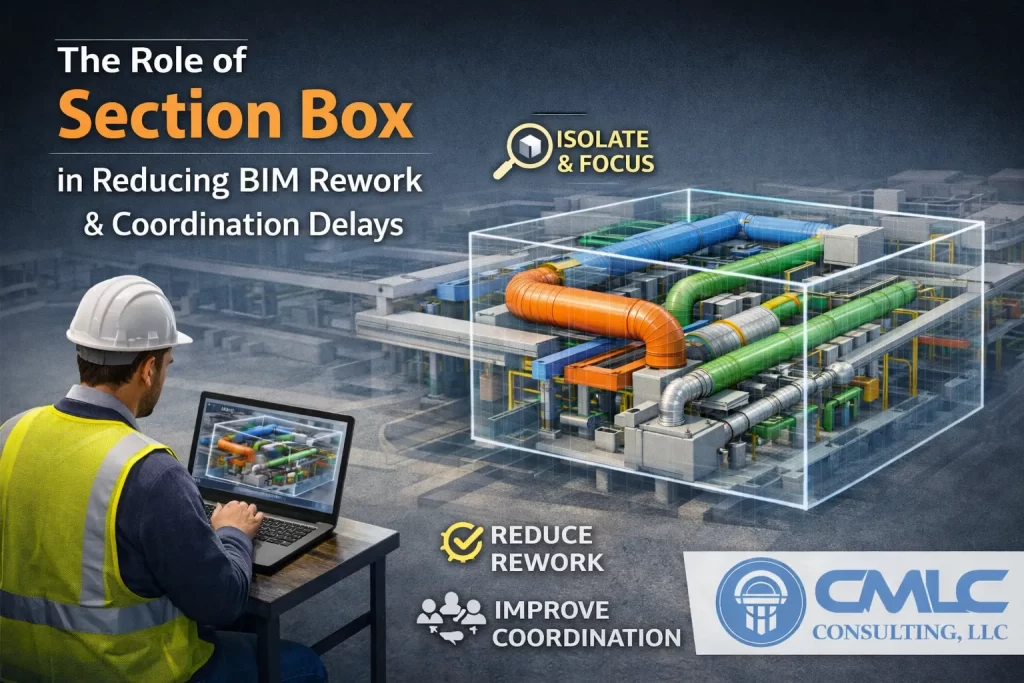
The Role of Section Box in Reducing BIM Rework & Coordination Delays
Rework is expensive because clash discovery often happens late. A strategic Section Box workflow brings discovery forward into design and coordination. Three Ways Section Boxes Cut Rework From Coordination to Construction When the model moves to shops/fab, those same 3D cropped views support: CMLC playbook: Every critical clash gets a
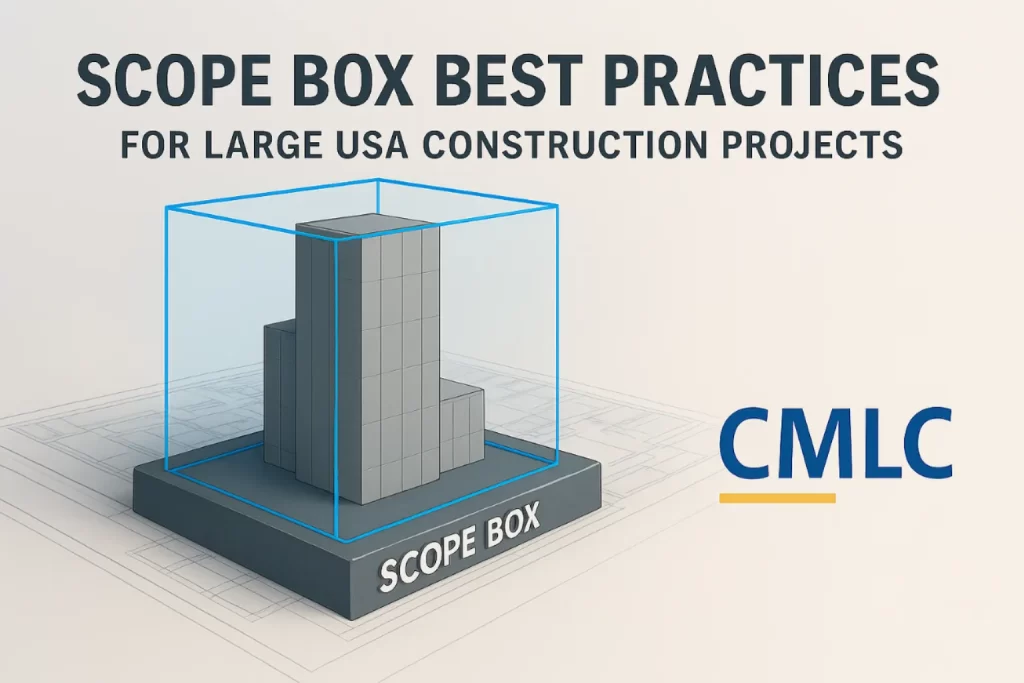
Scope Box Best Practices for Large USA Construction Projects
On campuses, hospitals, airports, and industrial plants, documentation can spiral unless you enforce view consistency. Scope Boxes are the guardrails. The Four Non‑Negotiables Practical Wins Owners Notice CMLC best practice: Create different Scope Box families for core, wings, and site—and pin them. Then assign them in one pass using schedules
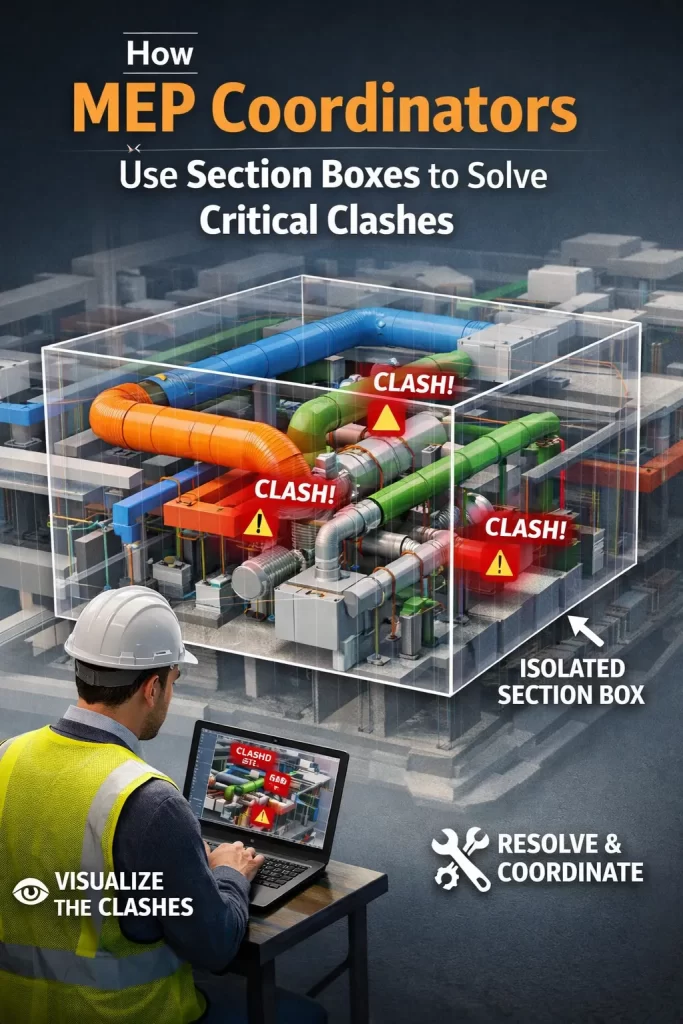
How MEP Coordinators Use Section Boxes to Solve Critical Clashes
MEP spaces are where the model “gets real”—ducts, pipes, cable trays, sprinklers, and equipment fight for inches against structure and architecture. The Section Box is the coordinator’s scalpel: it removes noise and displays only the conflict zone so teams can make quick, correct decisions. A Clash-to-Resolution Loop That Works This
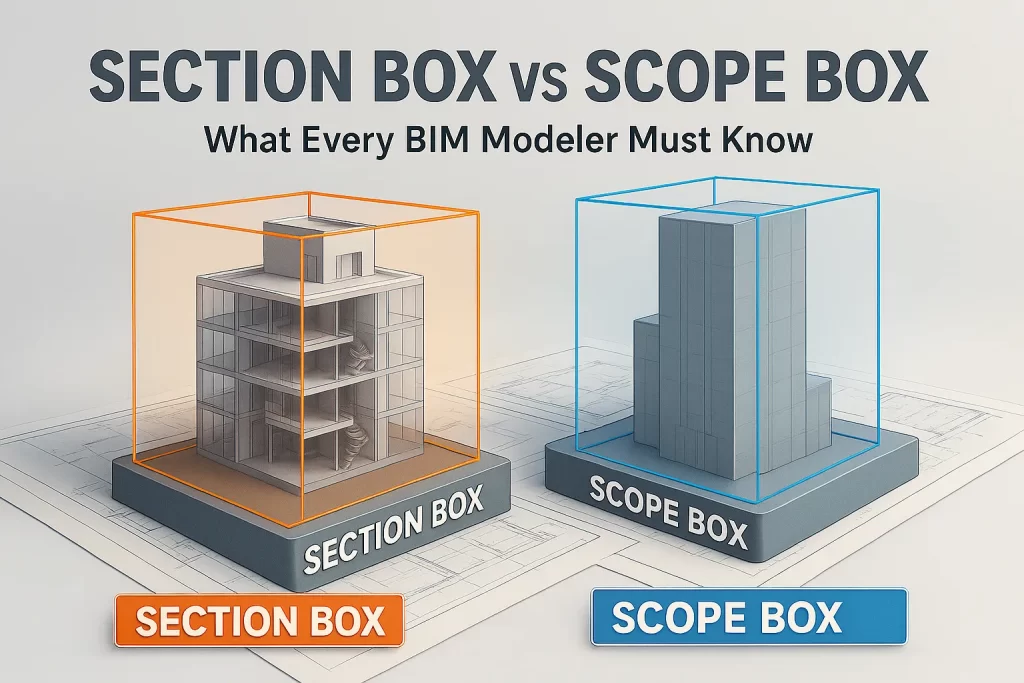
Section Box vs Scope Box: What Every BIM Modeler Must Know
Revit gives coordinators two deceptively similar tools—Section Box and Scope Box—that solve very different problems. Understanding when and how to use each can dramatically speed up model reviews, reduce RFIs, and keep documentation consistent across disciplines. At CMLC Consulting, we bake both into our templates and coordination playbooks so teams
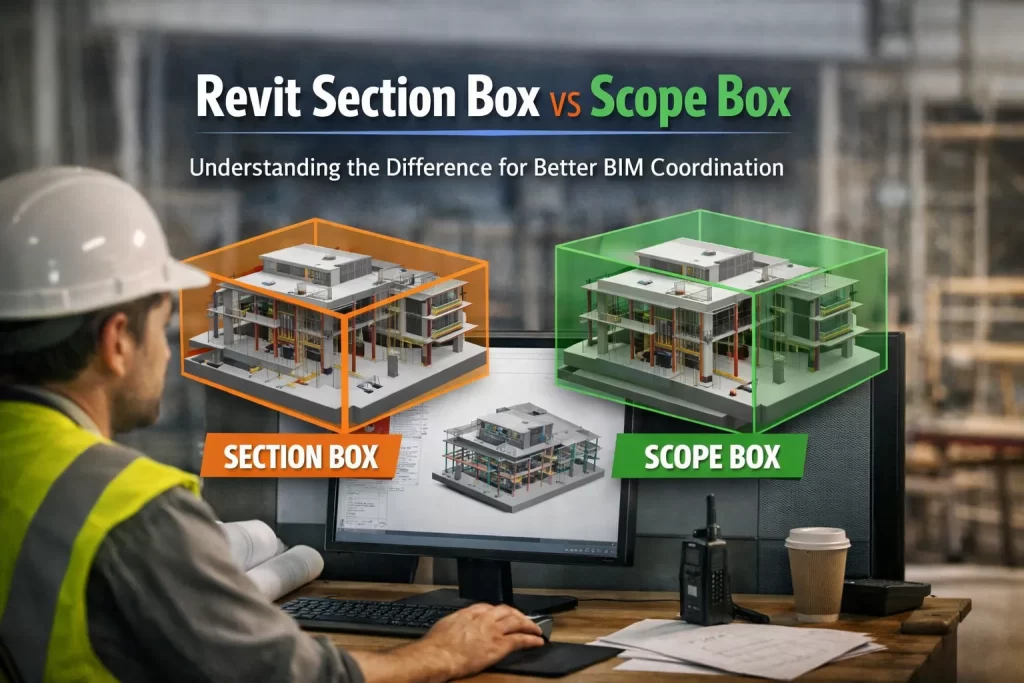
Revit Section Box vs Scope Box: Understanding the Difference for Better BIM Coordination
In the world of Revit and BIM workflows, two tools often confused—but essential for daily modeling tasks—are the Section Box and the Scope Box. Although both help improve visualization and control, they serve completely different purposes. For BIM teams, especially those handling multi‑discipline coordination, understanding this difference is crucial for

Why AEC Firms Are Turning to BIM Staffing Solutions
Introduction As BIM adoption accelerates across the Architecture, Engineering, and Construction (AEC) industry, many firms struggle to find the right talent. Skilled BIM professionals—Revit modelers, coordinators, BIM managers—are in high demand. This talent gap has led to a rapid rise in BIM Staffing Solutions, a flexible and cost‑efficient way to

How BIM Staffing Solutions Improve Project Delivery & Team Efficiency
Introduction Project delivery in the construction industry depends heavily on accurate modeling, smooth coordination, and timely documentation. With schedules tightening and expectations rising, BIM Staffing Solutions have emerged as a powerful way to enhance project performance. 1. On-Demand Expertise Reduces Bottlenecks When deadlines approach, internal teams often become overloaded. Adding

BIM Staffing Solutions vs. Traditional Hiring: Which Is Right for Your Firm?
Introduction As BIM becomes a standard across the AEC industry, firms must decide whether to build an in-house BIM team or rely on BIM Staffing Solutions. Both approaches have advantages—but choosing the right one depends on your project pipeline, budget, and long-term goals. 1. Cost Comparison Traditional hiring: BIM staffing:
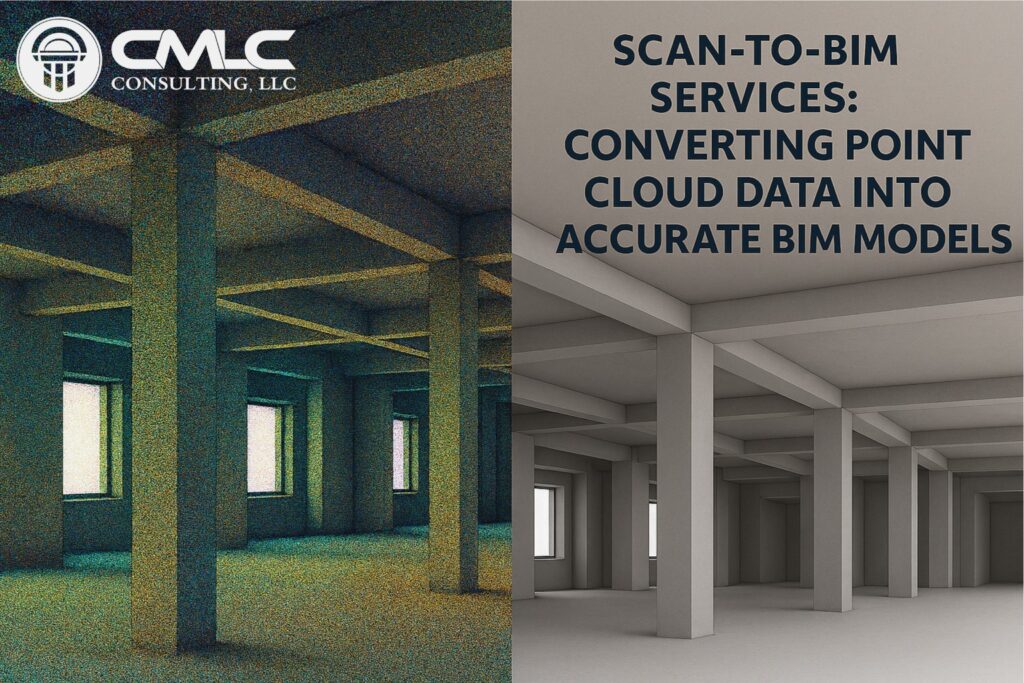
Scan-to-BIM Services: Converting Point Cloud Data into Accurate BIM Models
Renovation, retrofit, and facility management projects often start with one critical challenge: capturing existing conditions accurately. Traditional methods like manual measurements and 2D drawings are time-consuming and prone to errors. Enter Scan-to-BIM services, a revolutionary approach that transforms point cloud data into precise, intelligent BIM models. What is Scan-to-BIM? Scan-to-BIM

2D CAD vs 3D CAD Drafting: Choosing the Right Approach
In the world of design and construction, Computer-Aided Design (CAD) has been a cornerstone for decades. However, with evolving project demands and technological advancements, professionals often face a critical question: Should you use 2D CAD or 3D CAD drafting? Understanding the strengths and limitations of each approach is essential for

Why Construction Documentation Accuracy Matters More Than Ever
In today’s fast-paced construction industry, accurate documentation is no longer a luxury—it’s a necessity. From design drawings to as-built records, every detail impacts project timelines, budgets, and compliance. Inaccurate documentation can lead to costly rework, delays, and even legal disputes. Let’s explore why documentation accuracy is critical and how modern
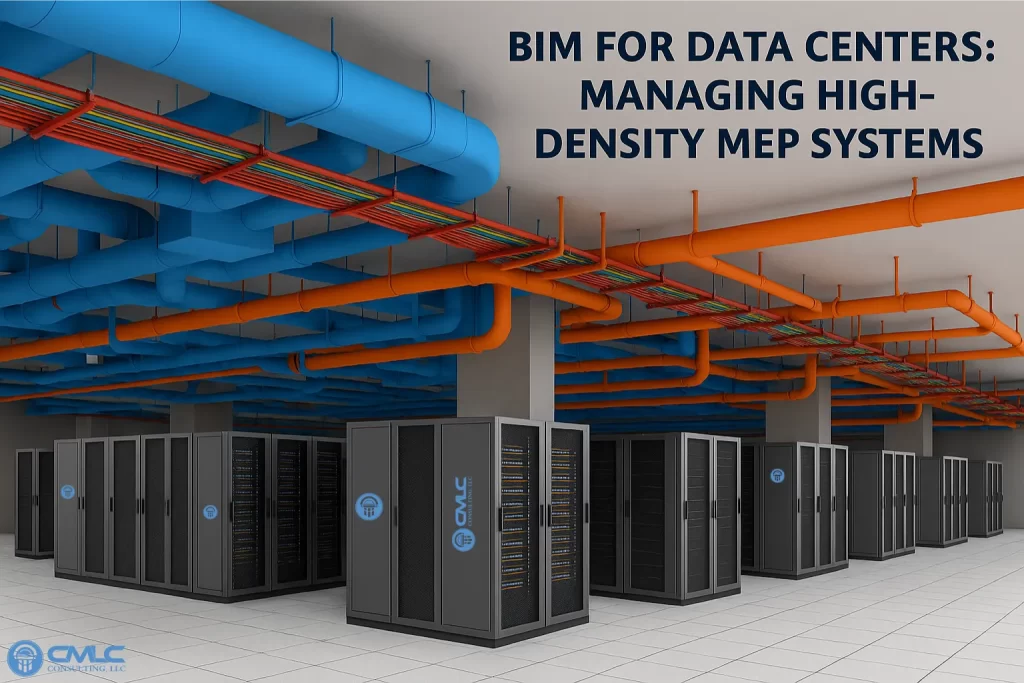
BIM for Data Centers: Managing High-Density MEP Systems
Data centers are the backbone of the digital economy, housing critical IT infrastructure that demands uninterrupted power, cooling, and connectivity. These facilities are highly complex, with dense Mechanical, Electrical, and Plumbing (MEP) systems packed into limited spaces. Traditional design methods often struggle to manage this complexity, leading to coordination errors,

In-House vs Partners BIM Services: Cost, Quality, and Scalability Compared
As Building Information Modeling (BIM) becomes a cornerstone of modern construction, firms face a critical decision: Should BIM services be managed in-house or Partner to specialists? Both approaches have advantages and challenges. This blog compares cost, quality, and scalability to help you make an informed choice. 1. Cost Considerations In-House

BIM for Industrial Facilities: Improving Safety and Efficiency
Industrial facilities—such as manufacturing plants, warehouses, and processing units—are complex environments where safety and operational efficiency are critical. These projects involve intricate layouts of mechanical, electrical, and plumbing (MEP) systems, heavy equipment, and strict compliance requirements. Traditional design methods often fall short in addressing these challenges, leading to costly errors
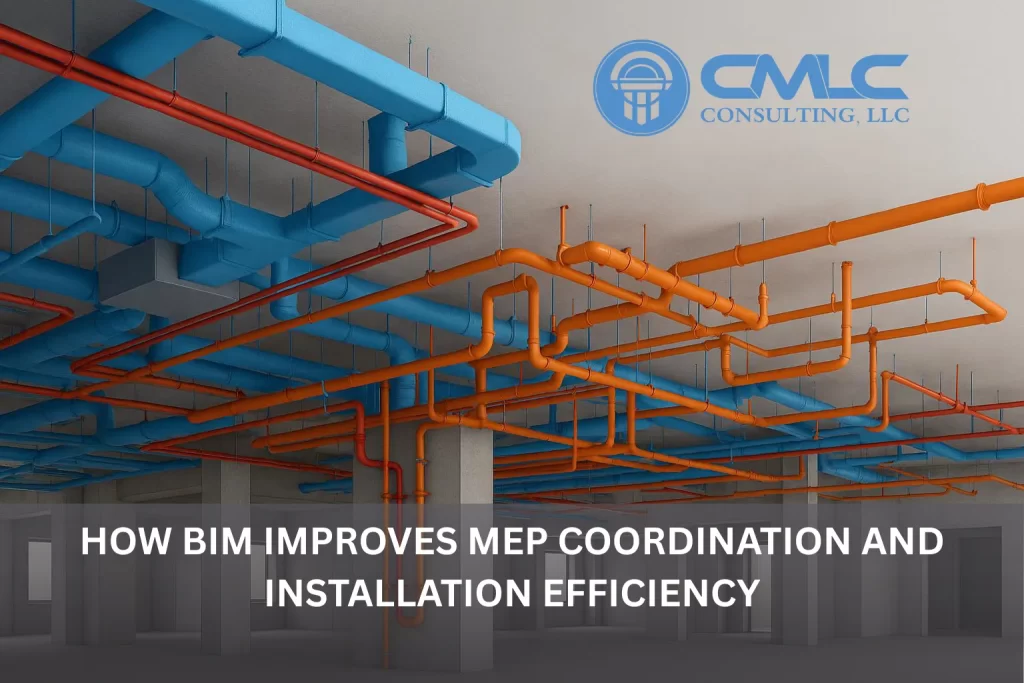
How BIM Improves MEP Coordination and Installation Efficiency
In modern construction projects, Mechanical, Electrical, and Plumbing (MEP) systems are among the most complex and interdependent elements. Even a small clash between ducts, pipes, electrical conduits, beams, or architectural components can cause costly delays, rework, and safety concerns. This is where Building Information Modeling (BIM) dramatically transforms the way
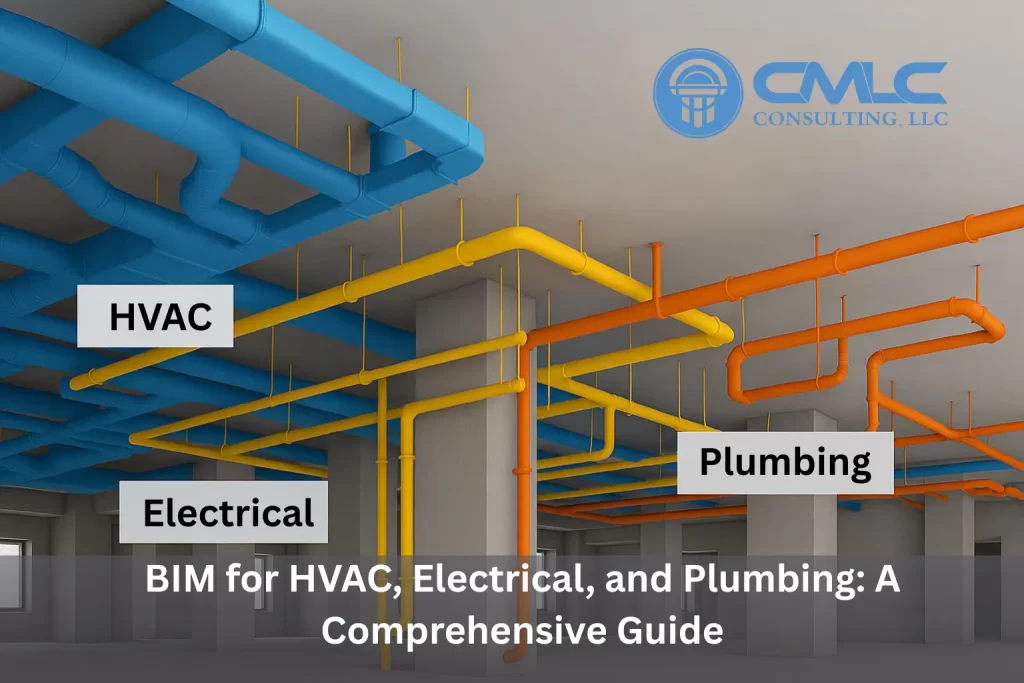
BIM for HVAC, Electrical, and Plumbing: A Comprehensive Guide
In modern construction, Mechanical, Electrical, and Plumbing (MEP) systems form the backbone of building functionality. Coordinating these systems is complex—ducts, pipes, conduits, and equipment often compete for limited space. Traditional 2D drawings make this process error-prone, leading to costly clashes and delays. Building Information Modeling (BIM) solves these challenges by
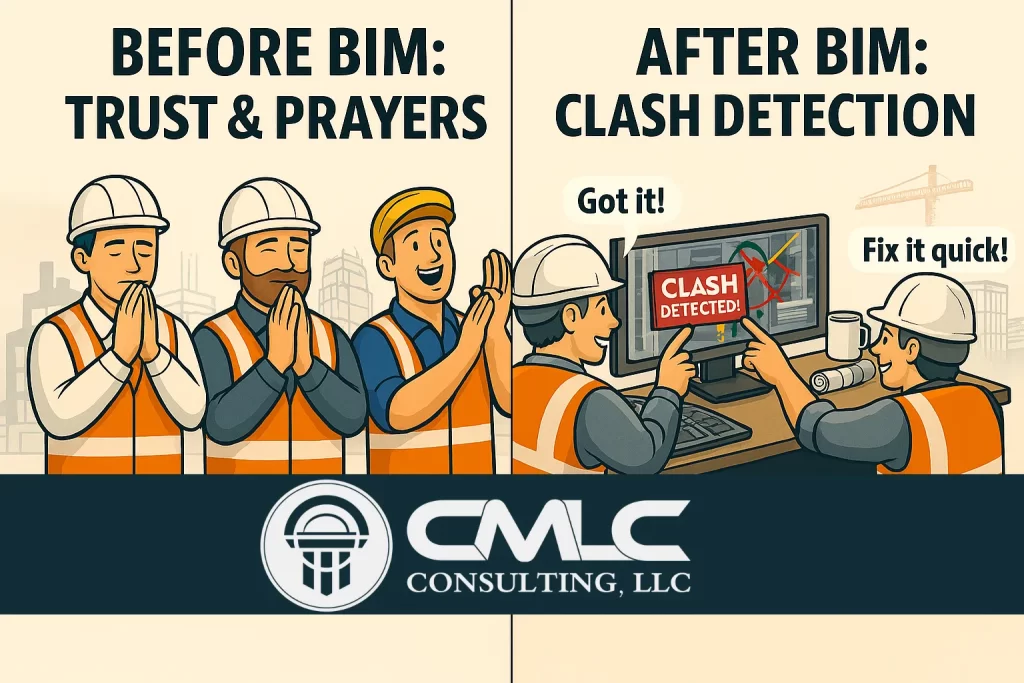
Before BIM vs After BIM: How Modern BIM Workflows Transform Construction Coordination
In the AEC industry, coordination has always been one of the biggest challenges. Before the adoption of Building Information Modeling (BIM), project teams relied heavily on experience, assumptions, and manual reviews to catch issues. This often meant that errors were only discovered on-site, leading to costly rework, delays, and frustration.
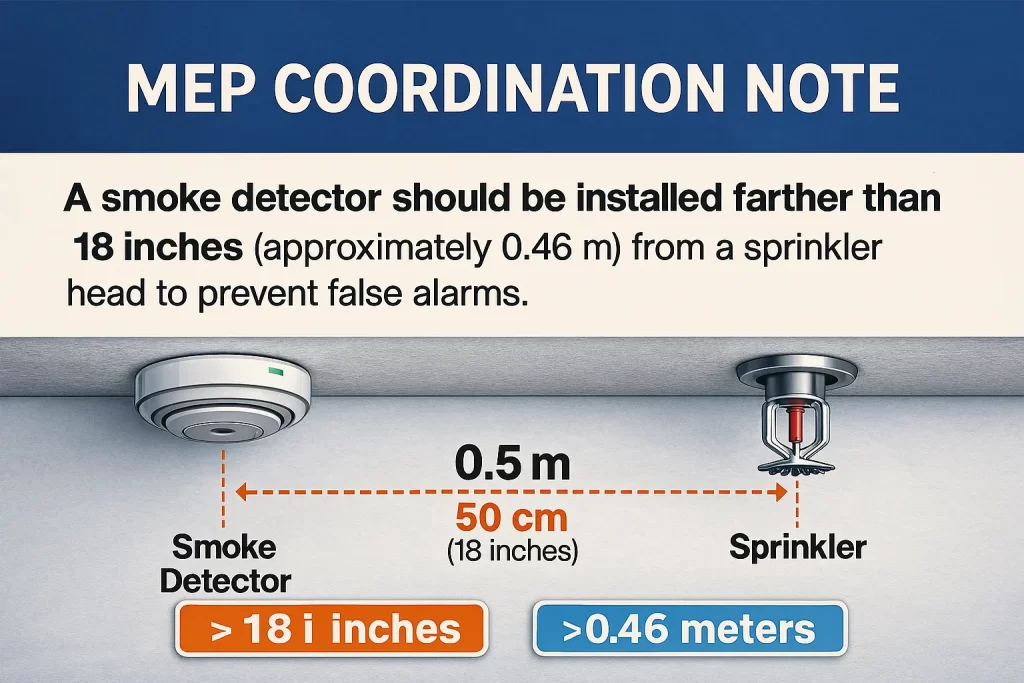
MEP Coordination Insight: Why Proper Smoke Detector & Sprinkler Spacing Matters in BIM Projects
In Mechanical, Electrical, and Plumbing (MEP) design, even small coordination mistakes can lead to major functional issues during construction and occupancy. One of the most important—yet often overlooked—details is the required spacing between smoke detectors and sprinkler heads. Incorrect placement can result in false alarms, system malfunctions, or failed inspections.

When Should You Outsource BIM Modeling Services? Key Decision Factors
In the fast-paced Architecture, Engineering, and Construction (AEC) industry, firms are constantly balancing cost, quality, and timelines. Building Information Modeling (BIM) has become essential for accurate design and efficient project delivery. However, maintaining an in-house BIM team can be challenging. That’s why many firms are asking: When is the right

Top BIM Challenges in Construction Projects—and How Expert BIM Services Solve Them
Building Information Modeling (BIM) has revolutionized the construction industry, offering improved collaboration, design accuracy, and cost control. However, implementing BIM is not without challenges. Let’s explore the most common hurdles and how expert BIM services overcome them to deliver successful projects. 1. Lack of Skilled Resources Many firms struggle to

Why Your City/Country Firms Are Outsourcing BIM & CAD Services
The Architecture, Engineering, and Construction (AEC) industry is evolving rapidly. Firms in Your City/Country are under pressure to deliver projects faster, with greater accuracy, and at lower costs. One strategy gaining momentum is outsourcing BIM and CAD services. But why is this shift happening? Let’s explore the key reasons. 1.

How Professional BIM Services Deliver Measurable Project ROI
In today’s competitive construction industry, firms are under constant pressure to deliver projects faster, within budget, and with minimal errors. Professional BIM (Building Information Modeling) services have emerged as a strategic solution that not only improves design and coordination but also delivers measurable Return on Investment (ROI) across the entire
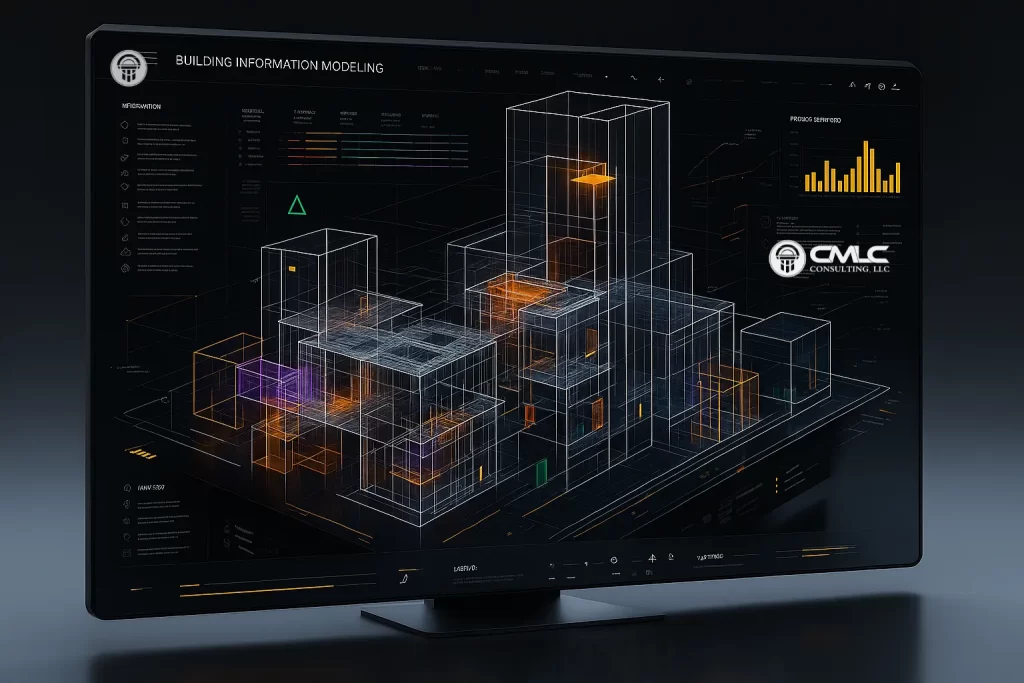
How BIM 3D Modeling Improves Design Accuracy and Constructability
In today’s construction industry, precision and efficiency are non-negotiable. Traditional 2D drawings often lead to misinterpretations, design conflicts, and costly rework. Enter BIM 3D Modeling—a game-changer that enhances design accuracy and ensures constructability from concept to completion. What is BIM 3D Modeling? Building Information Modeling (BIM) is more than just
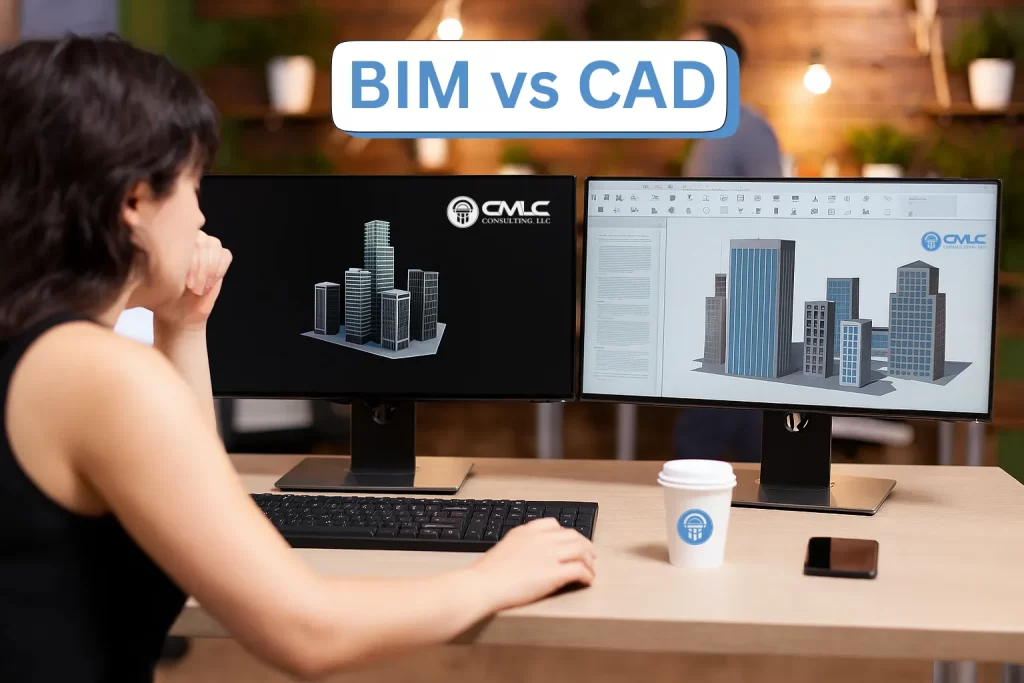
BIM vs CAD: Which Approach Delivers Better ROI for Large-Scale Projects?
In the Architecture, Engineering, and Construction (AEC) industry, technology drives efficiency and profitability. For decades, Computer-Aided Design (CAD) was the backbone of design workflows. Today, Building Information Modeling (BIM) is rapidly replacing CAD as the preferred approach—especially for large-scale projects. But which delivers better Return on Investment (ROI)? Let’s break
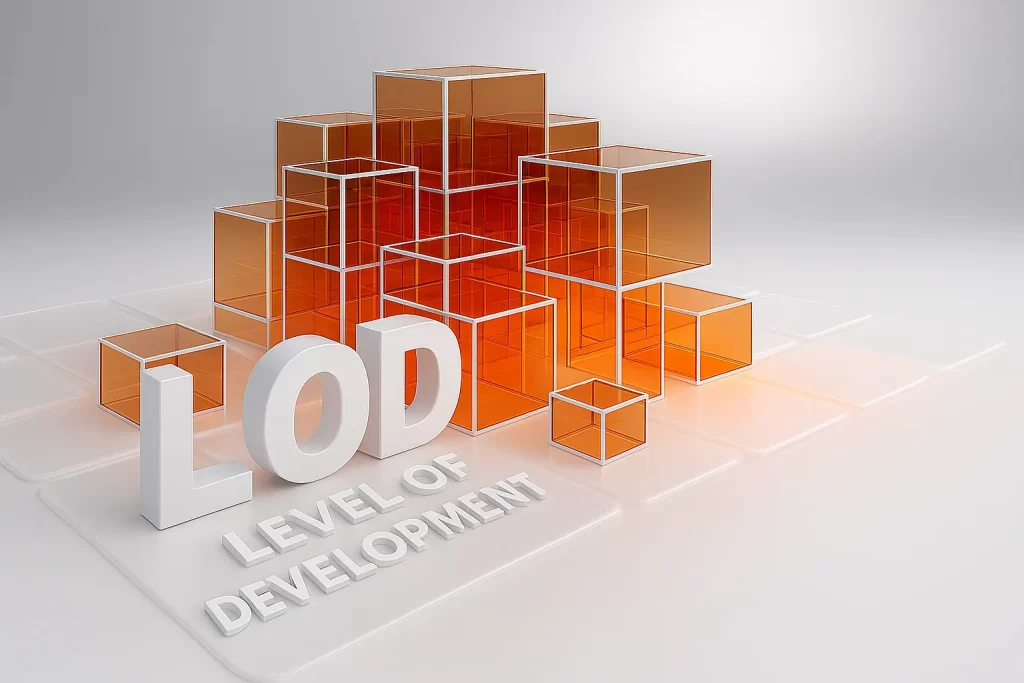
Level of Development (LOD) Explained: LOD 100–LOD 500 in BIM Projects
In the world of Building Information Modeling (BIM), clarity and precision are essential. That’s where Level of Development (LOD) comes in—a standardized framework that defines how much detail and reliability a BIM element should have at different stages of a project. Understanding LOD is critical for architects, engineers, contractors, and

Why Engineering Firms Are Shifting to BIM-Driven Design Workflows
The Architecture, Engineering, and Construction (AEC) industry is undergoing a major transformation. Traditional 2D design methods are giving way to Building Information Modeling (BIM)—a collaborative, data-rich approach that streamlines design, coordination, and construction. But why are engineering firms making this shift? Let’s explore the key drivers behind BIM adoption. 1.

Outsourcing BIM & CAD Services: A Strategic Advantage for AEC Firms
In today’s fast-paced construction environment, Architecture, Engineering, and Construction (AEC) firms face mounting pressure to deliver projects faster, with greater accuracy, and at lower costs. One proven way to achieve these goals is outsourcing BIM and CAD services. This strategic move not only optimizes resources but also enhances project outcomes.
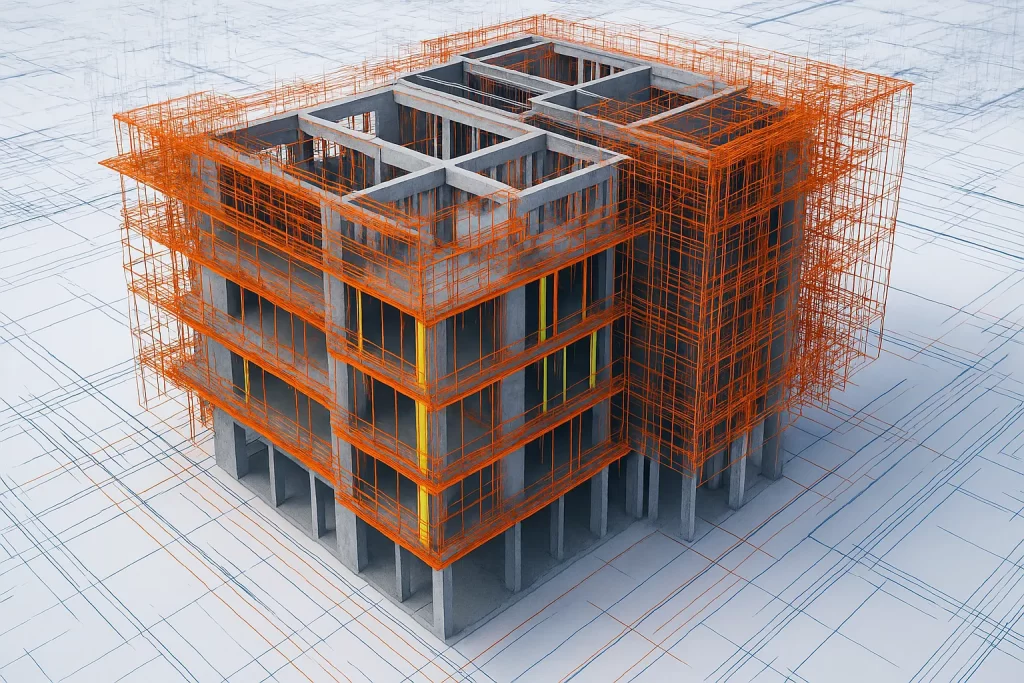
How Professional BIM Services Reduce Construction Cost Overruns
Cost overruns remain one of the most persistent challenges in the construction industry. Unplanned expenses not only impact profitability but can also delay schedules, damage client trust, and create disputes among project stakeholders. As construction projects become more complex, relying on traditional workflows and disconnected documentation increases financial risk. This