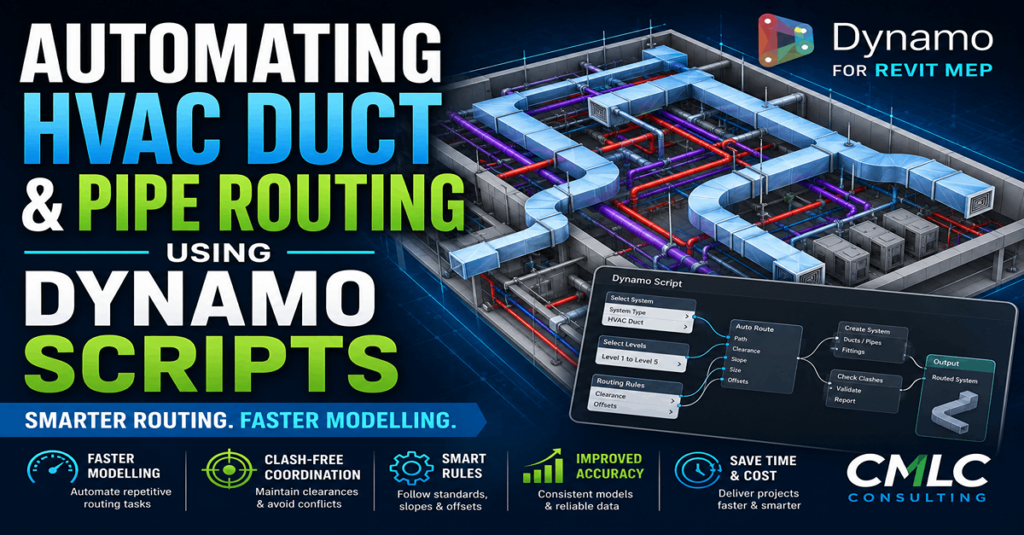
Automating HVAC Duct & Pipe Routing Using Dynamo Scripts
As MEP systems become increasingly complex, traditional manual routing of HVAC ducts and piping in Revit often leads to longer modelling times, coordination errors, and costly rework. To address these challenges, the AEC industry is rapidly adopting Dynamo automation for Revit MEP, enabling faster, smarter, and more consistent system routing.

The Role of Generative Design in Optimising MEP Layouts
As buildings become more complex and performance‑driven, traditional trial‑and‑error methods for MEP (Mechanical, Electrical, and Plumbing) layout design are no longer sufficient. Today, generative design in MEP BIM is transforming how engineers approach space planning, coordination, energy efficiency, and cost control. At CMLC Consulting, we integrate generative design workflows with
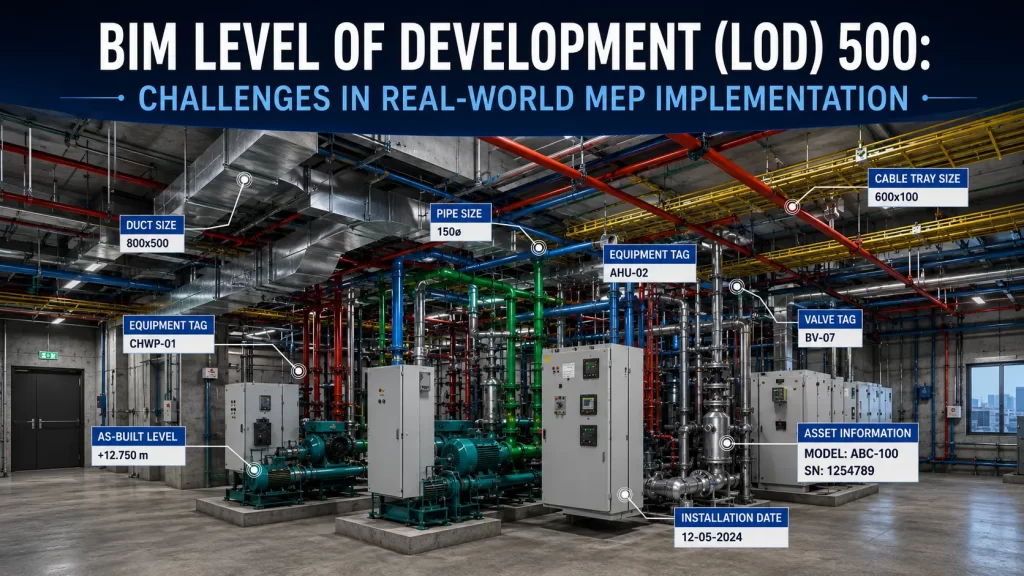
BIM Level of Development (LOD) 500: Challenges in Real‑World MEP Implementation
In the evolving world of Building Information Modelling (BIM), LOD 500 represents the highest level of model accuracy—an as‑built digital twin that reflects what has actually been installed on site. While LOD 500 models deliver exceptional value for facilities management and asset lifecycle operations, real‑world MEP implementation at LOD 500
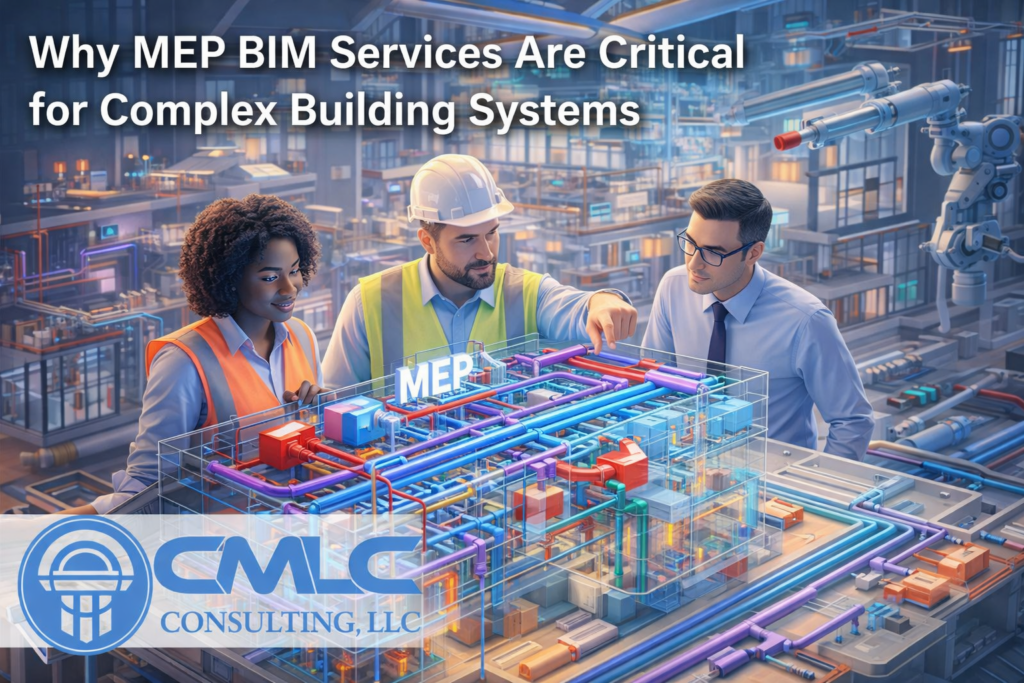
Why MEP BIM Services Are Critical for Complex Building Systems
As modern buildings become larger, smarter, and more technically advanced, MEP (Mechanical, Electrical, and Plumbing) systems have grown significantly more complex. Coordinating thousands of components across multiple disciplines—while maintaining accuracy, safety, and efficiency—is nearly impossible with traditional 2D CAD workflows. This is where MEP BIM Services play a transformative role.

Reducing MEP Installation Errors with BIM Clash Detection
MEP systems—Mechanical, Electrical, and Plumbing—form the backbone of any building. But they are also the biggest source of installation errors due to their dense routing, cross‑discipline dependencies, and space constraints within ceilings, risers, shafts, and plant rooms. Traditional 2D drawings often fail to capture these complexities, resulting in unexpected clashes,

How BIM 3D Modeling Improves Design Accuracy and Constructability
In today’s rapidly evolving AEC industry, BIM 3D Modeling has become a core enabler of precision, collaboration, and efficiency for architects, engineers, and contractors. For complex Mechanical, Electrical, and Plumbing (MEP) systems, accuracy is non‑negotiable—because even a minor clash or design discrepancy can result in costly rework, delays, and material
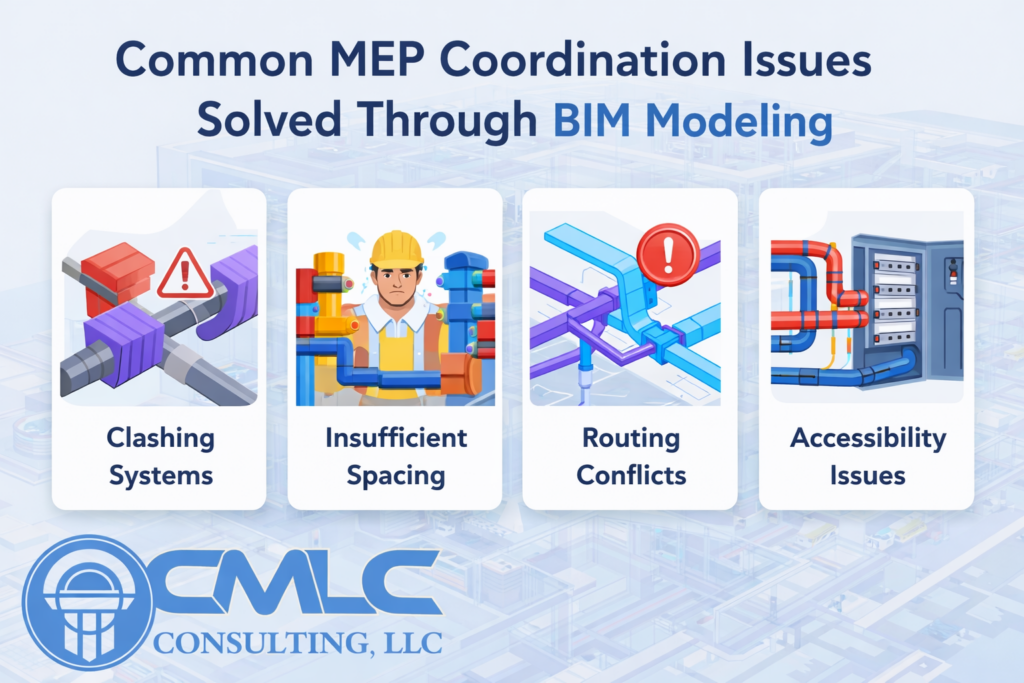
Common MEP Coordination Issues Solved Through BIM Modeling
Modern construction projects are becoming increasingly complex, with tight timelines, dense building systems, and high demands for accuracy. Among all building disciplines, MEP (Mechanical, Electrical, and Plumbing) systems are the most difficult to coordinate due to their extensive routing, spatial requirements, and interdependencies with structural and architectural elements. This is
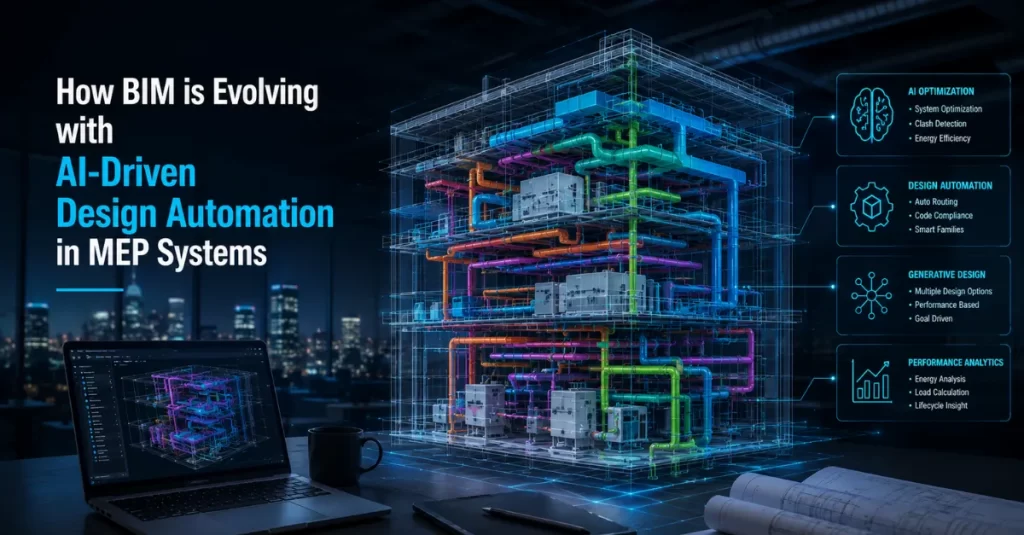
How BIM Is Evolving with AI‑Driven Design Automation in MEP Systems
The Architecture, Engineering, and Construction (AEC) industry is witnessing a paradigm shift as Artificial Intelligence (AI) begins to redefine how Building Information Modelling (BIM) is applied—especially within MEP (Mechanical, Electrical, and Plumbing) systems. What was once a coordination and documentation tool is now transforming into a design intelligence platform capable

Digital Twins in Building Lifecycle Management: Beyond BIM Models
As the construction industry accelerates towards data‑driven decision‑making, Digital Twins are emerging as the next evolution of Building Information Modelling (BIM). While BIM has transformed how buildings are designed and coordinated, Digital Twins take this a step further—enabling real‑time performance monitoring, predictive maintenance, and lifecycle optimisation. At CMLC Consulting, Digital
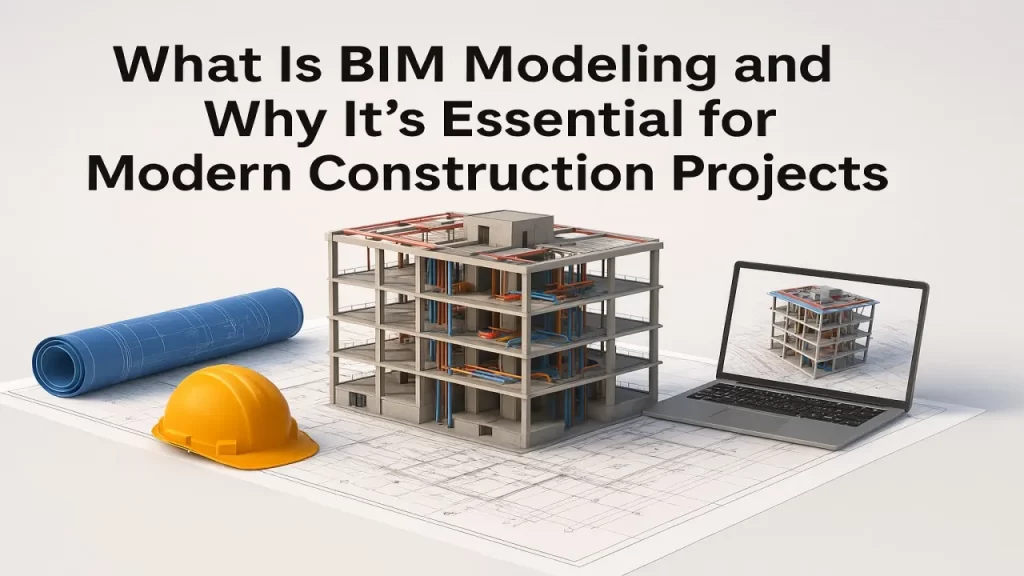
What Is BIM Modeling and Why It’s Essential for Modern Construction Projects?
In today’s fast‑evolving construction landscape, precision, collaboration, and efficiency determine the success of a project. Building Information Modeling (BIM) has emerged as a game‑changing technology that transforms how architects, engineers, contractors, and facility managers plan, design, and execute construction projects. At CMLC Consulting, we specialize in delivering accurate, high‑quality BIM
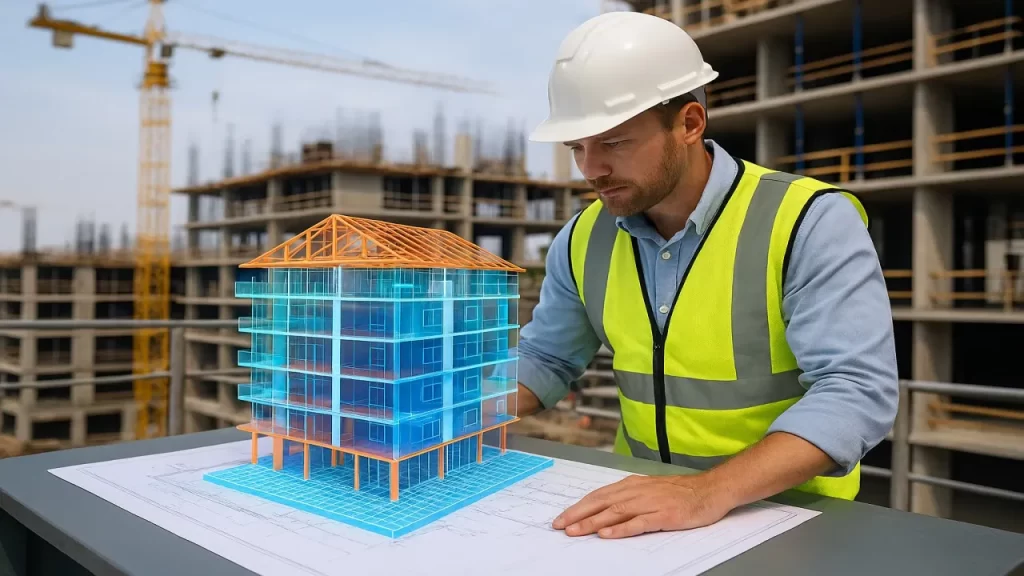
How BIM 3D Modeling Improves Design Accuracy and Constructability
In the rapidly evolving construction industry, precision and efficiency are no longer optional—they are essential for delivering high‑quality, cost‑effective projects. BIM 3D Modeling has transformed the way architects, engineers, and contractors work by creating intelligent, data‑rich digital models that enhance both design accuracy and constructability. At CMLC Consulting, our BIM
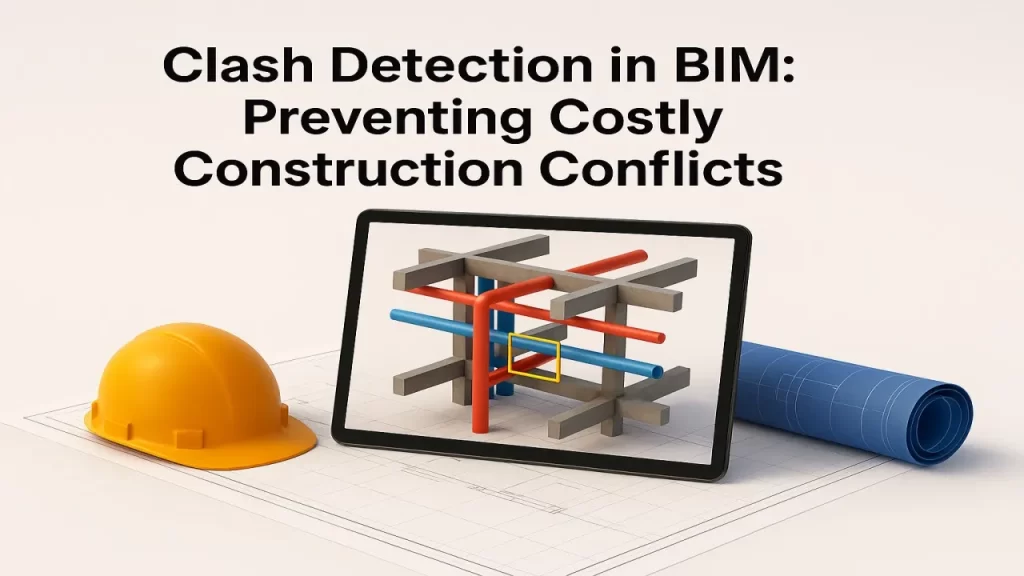
Clash Detection in BIM: Preventing Costly Construction Conflicts
In the modern construction industry, even the smallest design conflict can lead to expensive delays, material wastage, and rework. As projects become more complex—with multiple disciplines working simultaneously—the risk of clashes between architectural, structural, and MEP systems increases significantly. This is where Clash Detection in BIM (Building Information Modeling) plays
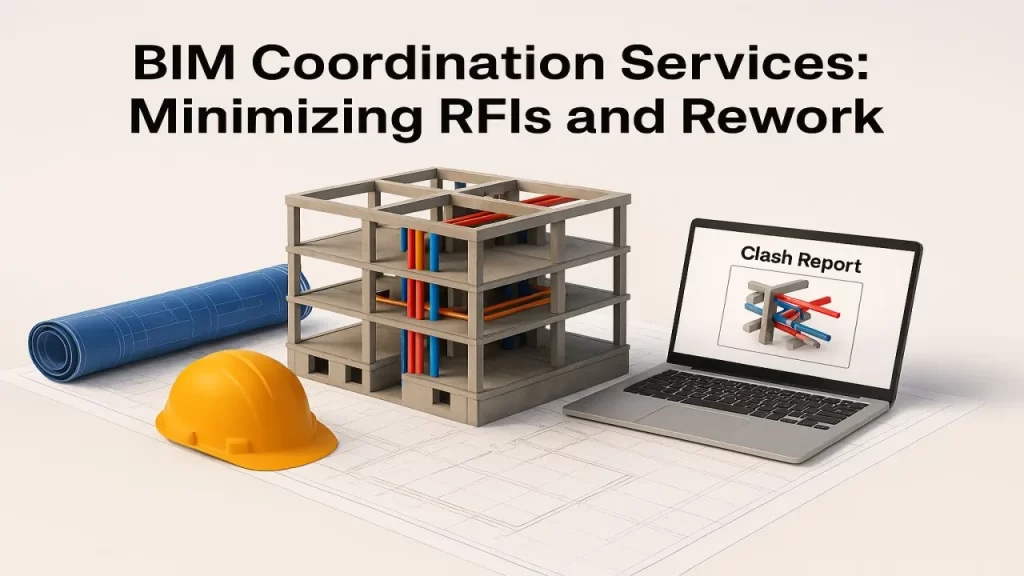
BIM Coordination Services: Minimizing RFIs and Rework
In today’s construction industry, tight schedules, complex designs, and multi‑discipline collaboration often lead to misunderstandings and design gaps. These communication gaps result in RFIs (Requests for Information), unexpected clashes, and costly rework during construction. BIM Coordination Services have become essential for eliminating design conflicts long before they reach the site.
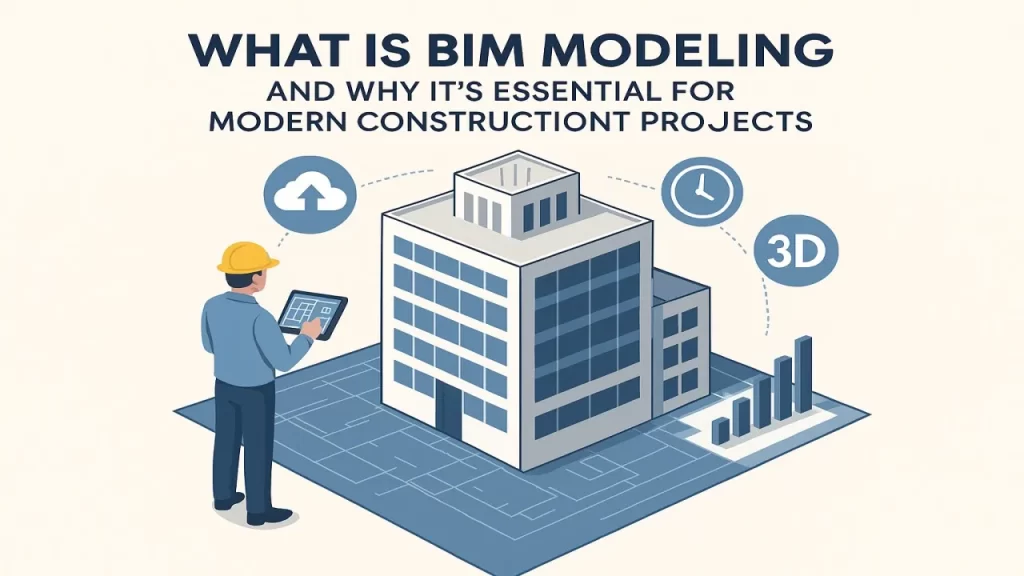
What Is BIM Modeling and Why It’s Essential for Modern Construction Projects?
In today’s rapidly evolving construction industry, Building Information Modeling (BIM) has become more than just a digital tool – it’s a strategic necessity. BIM modeling transforms traditional design and construction workflows into intelligent, coordinated, and highly efficient processes. At CMLC Consulting, we help architects, engineers, contractors, and facility managers adopt
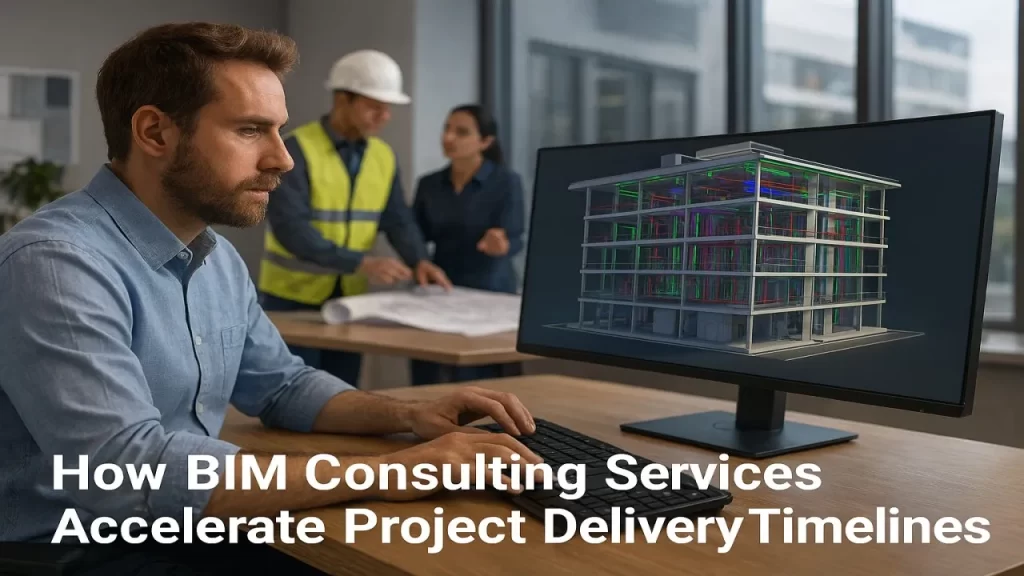
How BIM Consulting Services Accelerate Project Delivery Timelines
In today’s fast‑paced construction landscape, speed, accuracy, and collaboration determine a project’s success. However, traditional design and construction workflows often face delays due to coordination conflicts, manual errors, and fragmented communication. This is where BIM Consulting Services—especially those offered by CMLC Consulting—play a crucial role in dramatically accelerating project delivery

The Business Case for Staffing Solutions in CAD Drafting Services in 2026
The year 2026 marks a turning point for the global CAD drafting and AEC (Architecture, Engineering, Construction) ecosystem. Rapid digitization, shifting labor dynamics, BIM mandates, generative AI, and remote collaboration have reshaped how businesses source and scale drafting talent. As firms confront labor shortages, rising project complexity, and pressure to

How BIM Services Improve Coordination Between Architects, Engineers, and Contractors
In today’s increasingly complex construction environment, smooth collaboration among architects, engineers, and contractors is essential for delivering projects on time, within budget, and with fewer errors. By 2026, BIM (Building Information Modeling) has evolved into a powerful, integrated ecosystem that eliminates fragmentation, fosters real‑time collaboration, and ensures all stakeholders work
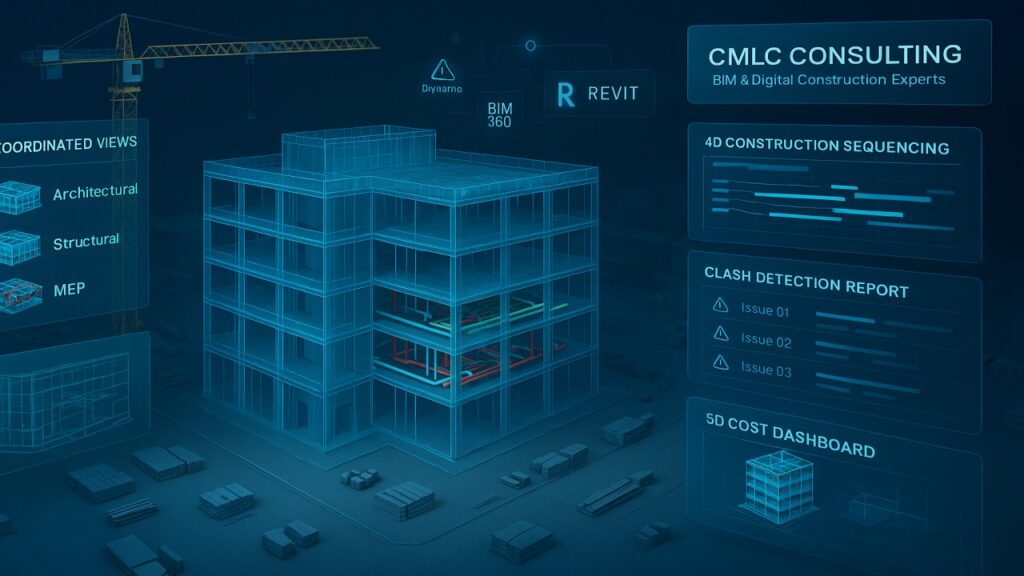
How BIM Consulting Services Accelerate Project Delivery Timelines
By CMLC Consulting — India’s Fastest‑Growing BIM & Digital Construction Partner In the modern construction landscape, delivering projects faster without compromising on quality has become a mission-critical requirement. Rising project complexity, multidisciplinary coordination gaps, and scheduling conflicts can derail timelines and increase costs significantly. This is where BIM Consulting Services
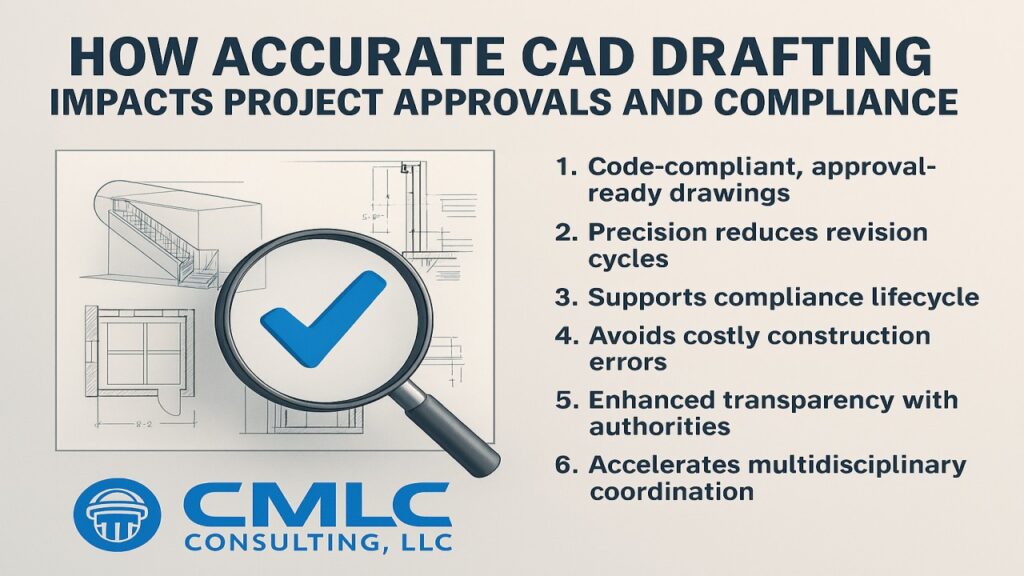
How Accurate CAD Drafting Impacts Project Approvals and Compliance
Accurate CAD drafting is more than a documentation task—it’s a foundational requirement for achieving regulatory approvals, ensuring code compliance, and preventing costly project delays. In 2026’s highly technical construction landscape, authorities demand clarity, precision, and consistency in drawings. Here’s how accurate CAD drafting directly influences the approval pipeline and compliance
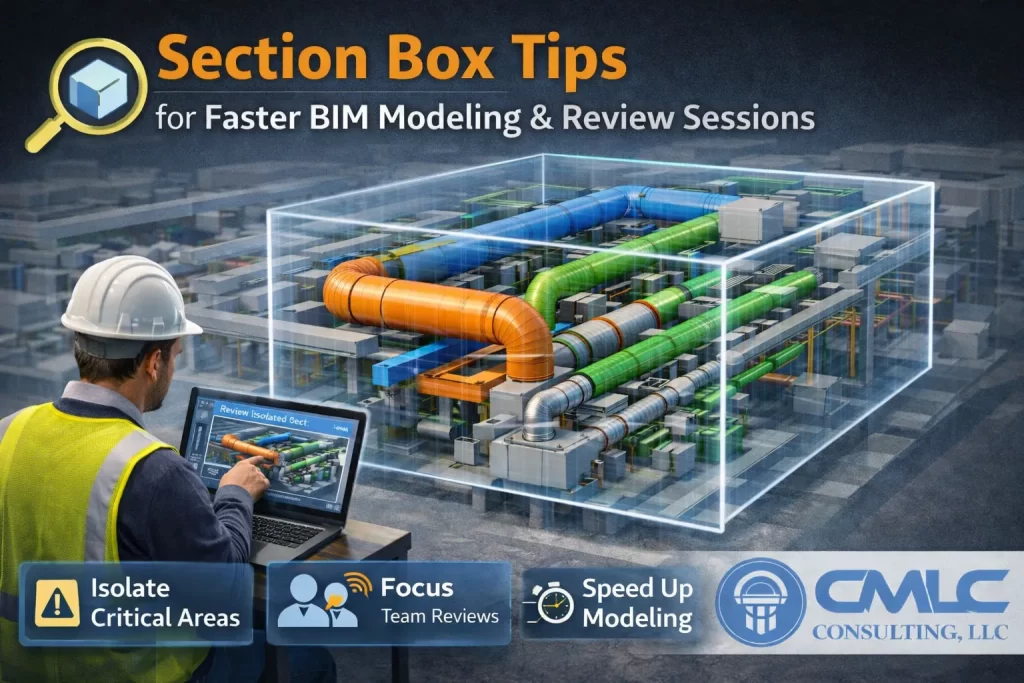
Section Box Tips for Faster BIM Modeling & Review Sessions
Time is everything in coordination meetings. Use these pro tips to make Section Boxes your speed multiplier. Performance & Clarity Tips Meeting Flow CMLC method: We maintain a “fast deck” of Section Box views the project manager can run like slides—every minute saved in meetings is a minute invested in
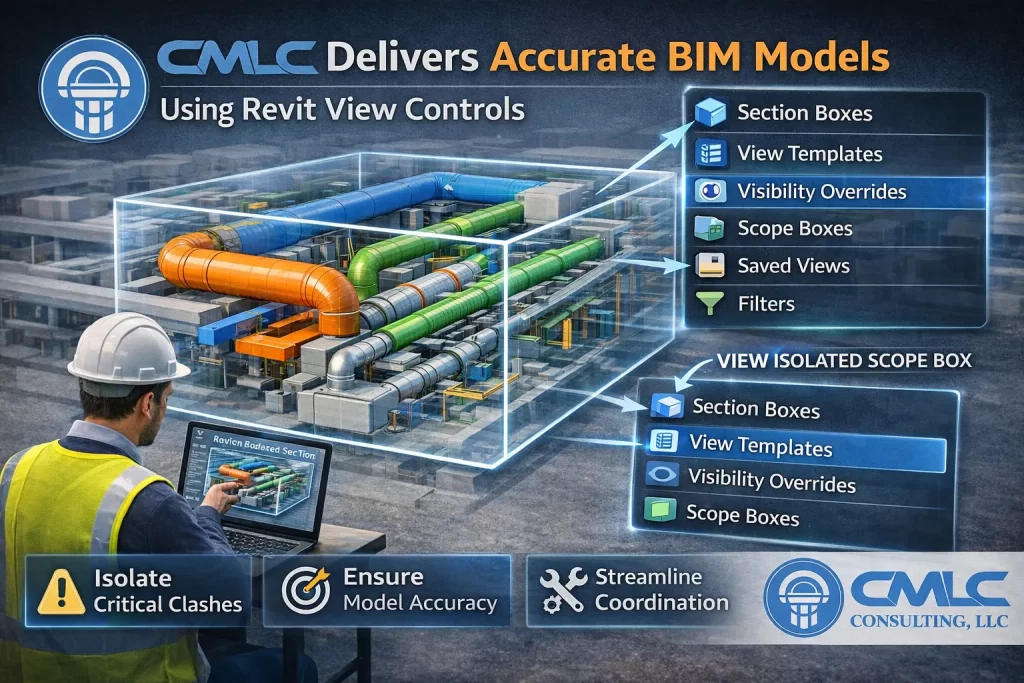
How CMLC Delivers Accurate BIM Models Using Revit View Controls
Accuracy doesn’t happen by accident—it’s the result of repeatable controls. At CMLC, Revit view management is part of our QA system that links design, coordination, fabrication, and as-builts. The CMLC Framework Results Clients See Explore how we work:BIM Coordination • Architectural BIM • Structural BIM • Scan-to-BIM • Projects •
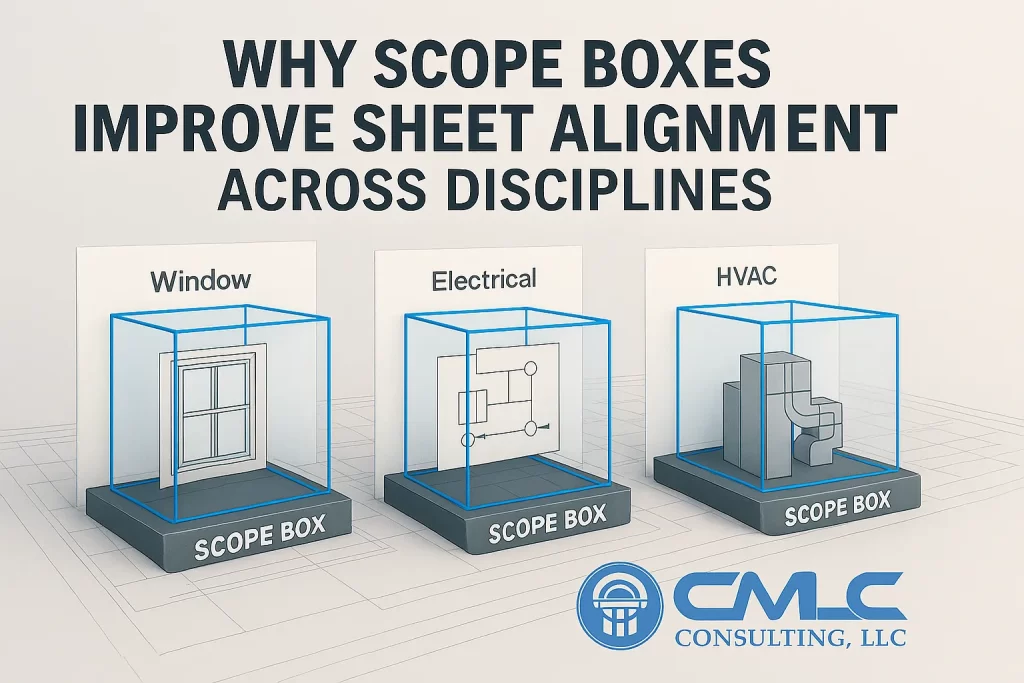
Why Scope Boxes Improve Sheet Alignment Across Disciplines
Nothing derails reviews like misaligned plans: the architect’s plan includes a room the MEP plan crops off; structure rotates a crop region; elevations don’t line up. Scope Boxes end that chaos. Benefits Owners & Contractors Feel A Practical Setup Checklist CMLC policy: All live templates ship with mandatory Scope Box
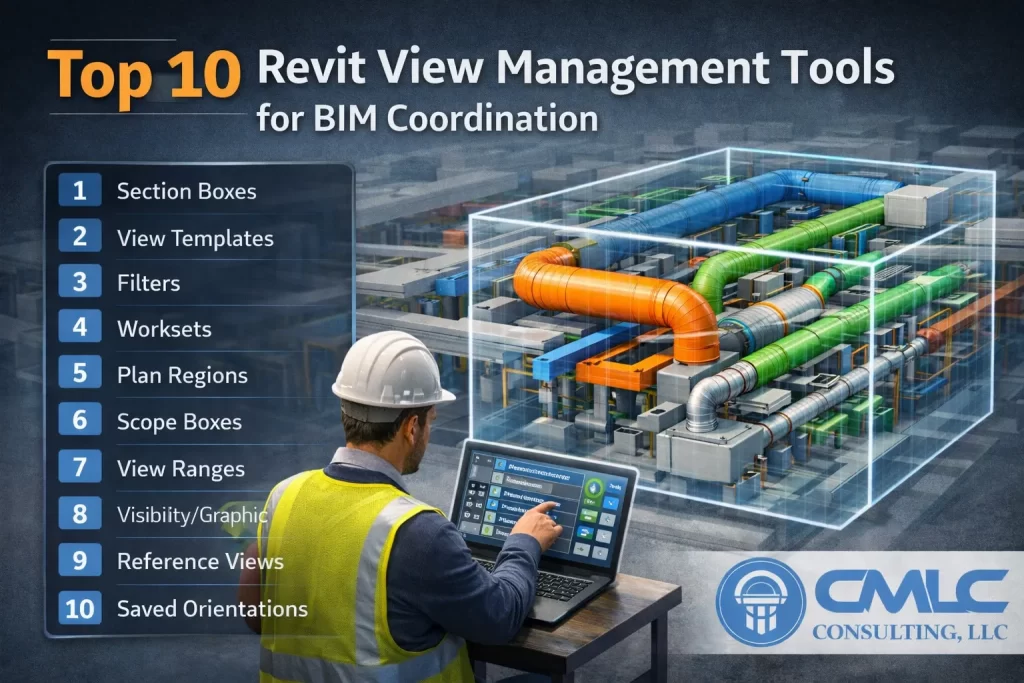
Top 10 Revit View Management Tools for BIM Coordination
Section Boxes and Scope Boxes are part of a bigger view management system that keeps models efficient and sheets dependable. Here are CMLC’s Top 10: CMLC application: We pair these with Section Boxes (local clarity) and Scope Boxes (global consistency) to cut review cycles and elevate output quality. Related CMLC
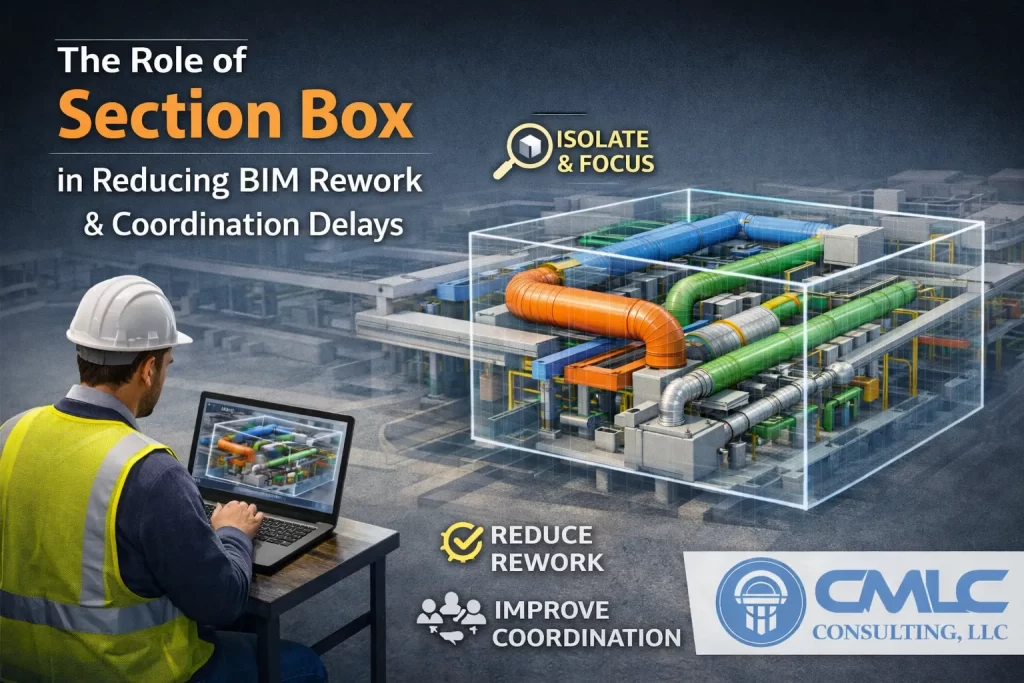
The Role of Section Box in Reducing BIM Rework & Coordination Delays
Rework is expensive because clash discovery often happens late. A strategic Section Box workflow brings discovery forward into design and coordination. Three Ways Section Boxes Cut Rework From Coordination to Construction When the model moves to shops/fab, those same 3D cropped views support: CMLC playbook: Every critical clash gets a
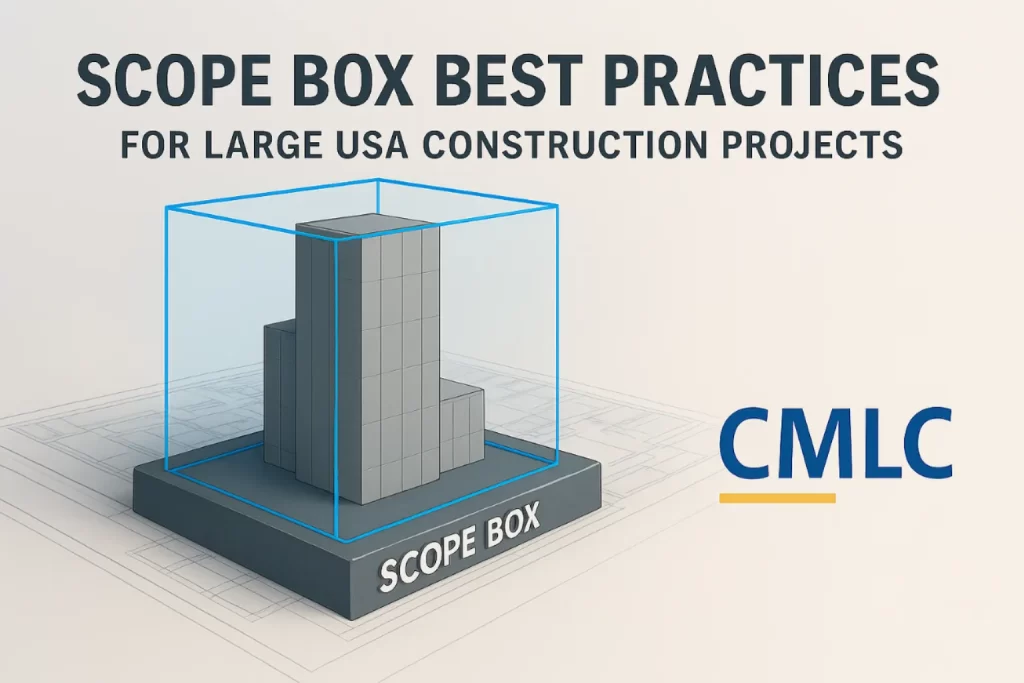
Scope Box Best Practices for Large USA Construction Projects
On campuses, hospitals, airports, and industrial plants, documentation can spiral unless you enforce view consistency. Scope Boxes are the guardrails. The Four Non‑Negotiables Practical Wins Owners Notice CMLC best practice: Create different Scope Box families for core, wings, and site—and pin them. Then assign them in one pass using schedules
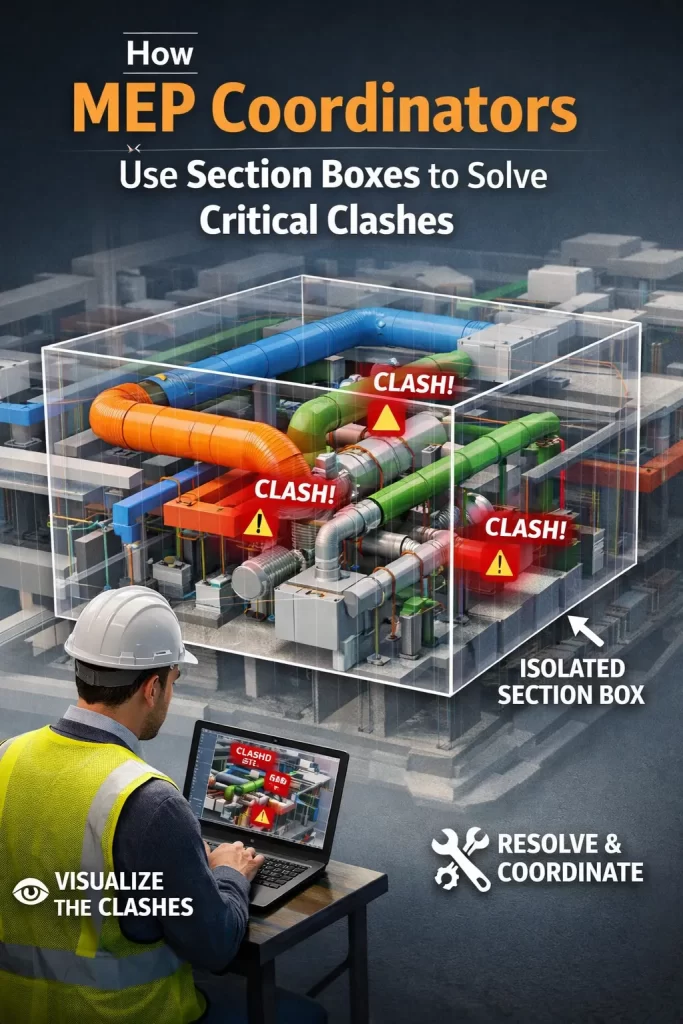
How MEP Coordinators Use Section Boxes to Solve Critical Clashes
MEP spaces are where the model “gets real”—ducts, pipes, cable trays, sprinklers, and equipment fight for inches against structure and architecture. The Section Box is the coordinator’s scalpel: it removes noise and displays only the conflict zone so teams can make quick, correct decisions. A Clash-to-Resolution Loop That Works This
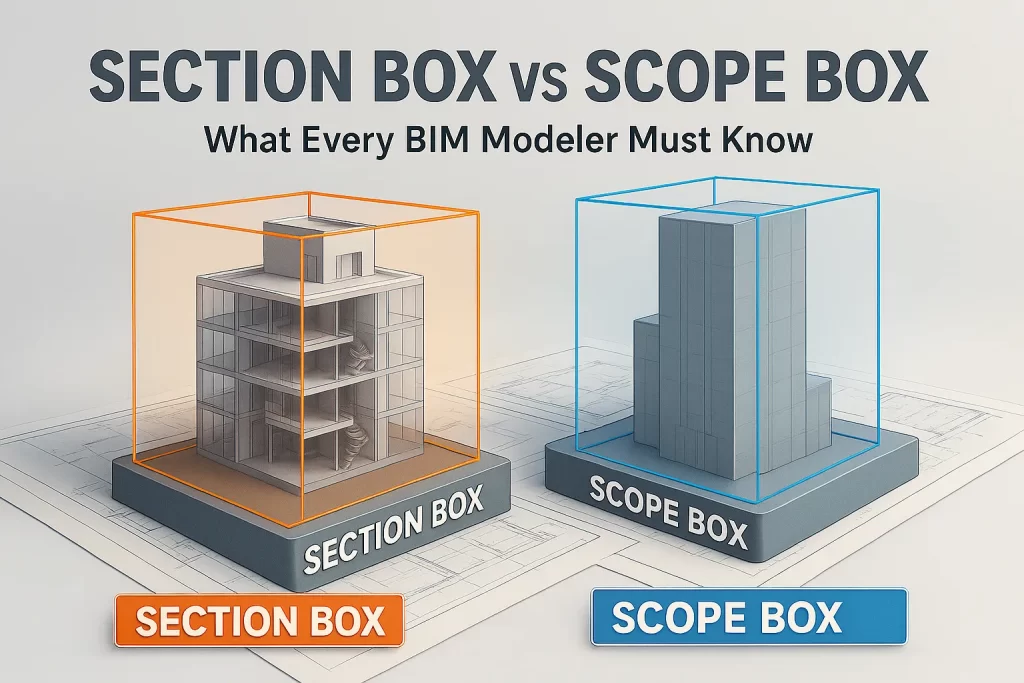
Section Box vs Scope Box: What Every BIM Modeler Must Know
Revit gives coordinators two deceptively similar tools—Section Box and Scope Box—that solve very different problems. Understanding when and how to use each can dramatically speed up model reviews, reduce RFIs, and keep documentation consistent across disciplines. At CMLC Consulting, we bake both into our templates and coordination playbooks so teams
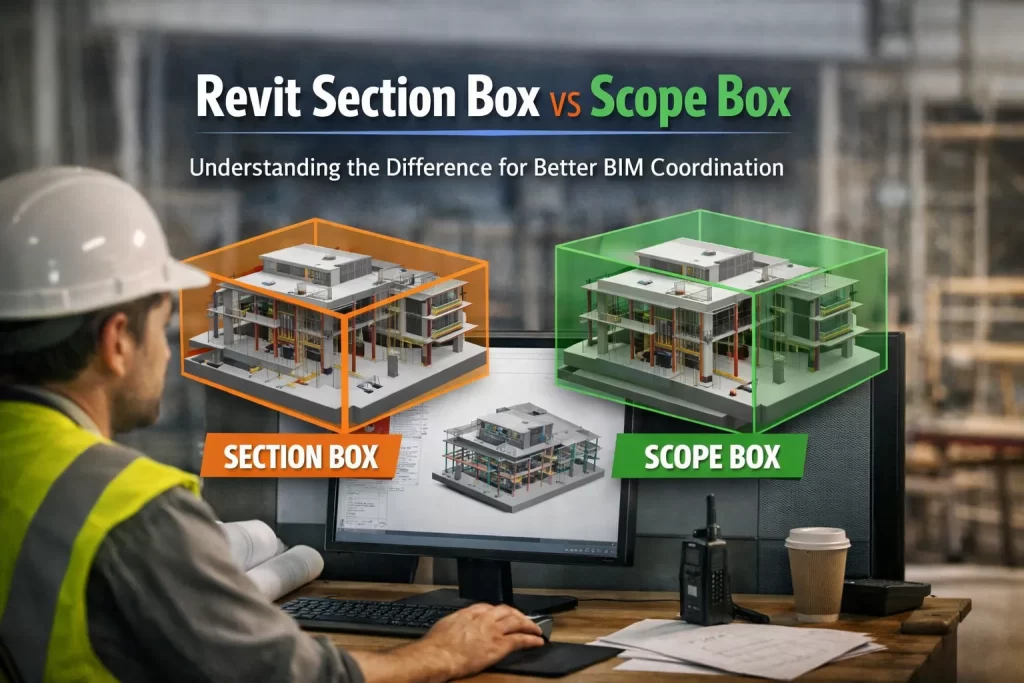
Revit Section Box vs Scope Box: Understanding the Difference for Better BIM Coordination
In the world of Revit and BIM workflows, two tools often confused—but essential for daily modeling tasks—are the Section Box and the Scope Box. Although both help improve visualization and control, they serve completely different purposes. For BIM teams, especially those handling multi‑discipline coordination, understanding this difference is crucial for

Why AEC Firms Are Turning to BIM Staffing Solutions
Introduction As BIM adoption accelerates across the Architecture, Engineering, and Construction (AEC) industry, many firms struggle to find the right talent. Skilled BIM professionals—Revit modelers, coordinators, BIM managers—are in high demand. This talent gap has led to a rapid rise in BIM Staffing Solutions, a flexible and cost‑efficient way to

How BIM Staffing Solutions Improve Project Delivery & Team Efficiency
Introduction Project delivery in the construction industry depends heavily on accurate modeling, smooth coordination, and timely documentation. With schedules tightening and expectations rising, BIM Staffing Solutions have emerged as a powerful way to enhance project performance. 1. On-Demand Expertise Reduces Bottlenecks When deadlines approach, internal teams often become overloaded. Adding